


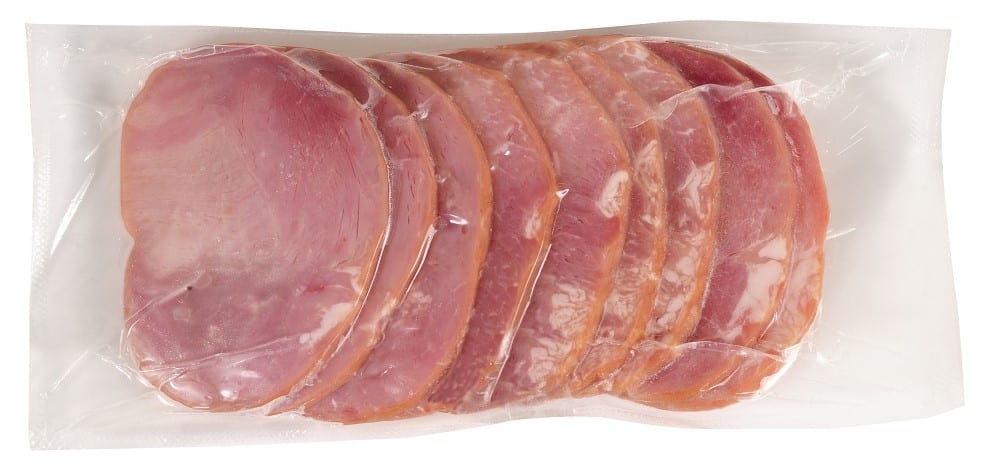
Flexible packaging has become the go-to option for product preservation and safety, especially for food.
SPG’s flexible packaging solutions allow the manufacturer to fulfil the necessary quality and safety standards and they also boost consumer confidence, who are more informed about what they are buying.
We also guarantee compliance with legislation on food contact materials.
Our range of flexible packaging is growing to be able to adapt to every sector, and we fully embrace trends that cannot be ignored, like sustainability, which helps us to keep our carbon footprint to a minimum.
FLEXIBLE PACKAGING: THE BENEFITS
Flexible packaging has become the first choice when it comes to food safety. It has many other benefits too:
EASY TO HANDLE
Flexible food packaging means the product can be handled without damaging it, ensuring it is visually appealing and its properties remain intact.
DURABLE AND HARD-WEARING
Flexible packaging has an edge over other alternatives when it comes to strength and durability during transport and handling.
It is less likely to tear, which prevents quality and hygiene from being compromised and reduces the risk of cross contamination.
LONGER PRODUCT SHELF LIFE
In the food industry, flexible packaging allows products to stay fresh for much longer.

BARRIER AGAINST EXTERNAL FACTORS
Flexible packaging, in all its shapes and forms, provides an excellent barrier against gases, aromas and light, which are the main causes of product spoilage.
COMPATIBLE WITH RETORT PROCESSES
Some market niches, for example, food for children or the elderly which often feature dairy products, juices, purées or soups, are turning to aseptic packaging.
This involves sterilising the packaging as well as the product. Flexible packaging is an ideal choice because it protects the product from chemical changes during the process and microorganisms once it has been sealed.
COMPLIANCE WITH SAFETY STANDARDS
Flexible packaging adheres to every food safety regulation, which equals more guarantees and increased consumer confidence.
FLEXIBLE PACKAGING AND FOOD SAFETY REGULATIONS
Every SP GROUP flexible packaging solution complies with regulations on plastic materials and articles intended to come into contact with food.
The regulations currently in force are:
REGULATION (EU) NO. 10/2011
This EU regulation sets out safety requirements for the manufacturing and sale of plastic materials and articles intended to come into contact with food.
This includes plastic bags, vacuum packaging or any type of food packaging.
Article 5 defines the authorised substances for this type of packaging:
‘Monomers and other starting substances; additives (excluding colorants); polymer production aids (excluding solvents); and macromolecules obtained from microbial fermentation.’
Regulation (EU) No. 10/2011 also introduces specific migration limits. This is important because it establishes the maximum amount of substances that flexible packaging may transfer to foods.
FRAMEWORK REGULATION 1935/2004
Framework regulation 1935/2004 covers all materials and articles which are intended to come into contact with food.
Those materials include plastics and paper and they must be manufactured so that they do not transfer their constituents to food in quantities which could:
- endanger human health;
- bring about an unacceptable change in the composition of the food;
- bring about a deterioration in the organoleptic characteristics thereof.
REGULATION (EC) 2023/2006
Flexible packaging is also subject to European Regulation 2023/2006, which defines good manufacturing practices for materials and articles intended to come into contact with food.
Its purpose is to ensure that flexible plastic and paper packaging complies with the quality and safety requirements in this sector.
CERTIFICATES
Another requirement for packaging manufacturers are food safety certifications.
One example is the BRCGS Global Food Safety Standard, which was set up with consumer demands, distributor responsibility, increased legal requirements and globalisation of the supply chain in mind.
The BRC Packaging Standard also provides a framework to guarantee safety and quality for packaging material suppliers and food manufacturers. It is a much sought-after certification in the food and other sectors, such as cosmetics, baby products, medical supplies and pharmaceutical products.
BRC Packaging establishes two levels for the different levels of hygiene risk, and the level chosen depends on the end-use of the packaging.

FLEXIBLE PACKAGING AND SUSTAINABILITY
These days flexible packaging and sustainability go hand-in-hand.
Sustainable, eco-friendly packaging is a responsibility no one can escape and is something that SP GROUP embraced years ago.
Sustainable packaging is all about the three Rs: reduce, reuse and recycle.
As well as this commitment to sustainability though, it must still comply with its food safety requirements.
BIO FVSOL 60 by SP GROUP is one example of this type of packaging, with its high barrier properties that guarantee maximum quality and protection for the product while keeping thickness to a minimum.
TYPES OF FLEXIBLE PACKAGING AND USES
SP GROUP invests heavily in innovation, safety and sustainability to create flexible packaging that meets market needs.
The following are just some of our packaging solutions and the requirements they must fulfil.
STANDARD FLEXIBLE PACKAGING
We want to offer our clients the right packaging for their needs, which has inspired us to offer a wide range of flexible packaging solutions for food and non-food products.
In our range of products, we must highlight the high-barrier materials that provide food products with greater protection and preservation.
METALLIC-FINISH FLEXIBLE PACKAGING
Our metallic-finish flexible packaging solutions not only stand out on the shelf, but also have excellent barrier features, ensuring packaged products are protected and preserved in perfect condition. They are also easy to handle and are very durable.
MET PP is a good example. It has a good gas, aroma and steam barrier and the polypropylene protects against humidity.
MET PE is also a flexible multilayer material that offers high protection and can also be used with a protective atmosphere to lengthen the useful life of the product. It welds with polyethene which gives it high breaking strength and makes it puncture resistant.
FLEXIBLE PACKAGING WITH ALUMINIUM
Our flexible packaging solutions with aluminium are another good choice since they offer maximum food preservation and safety.
They provide a higher light, moisture and aroma barrier than other materials.
PET ALU PP is one of the strongest multilayer materials due to the inclusion of aluminium.
There are many customisation options and it can be used in stand-up and flat pouch formats or in tray lids.
PET ALU PE can also be used in different formats like vertical bags or sachets. It can be printed with bright, glossy colours to stand out from the crowd.
At SPG we strive to tailor our solutions to any project that comes our way. Contact us and we will find the right packaging for your food preservation and safety needs.