


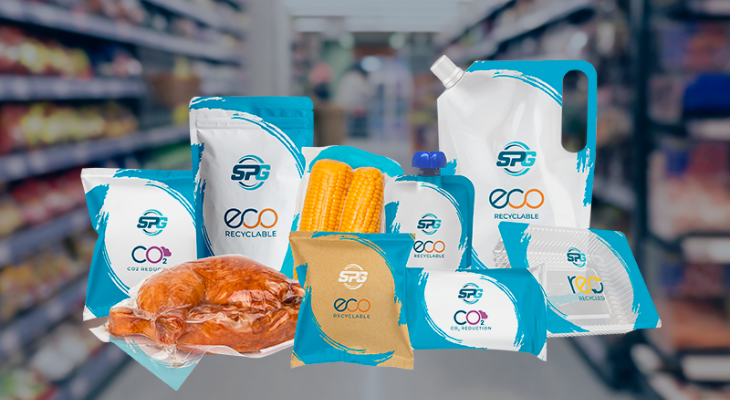
When we think about a product, the first thing we usually notice isn’t what’s inside, but its packaging. It shapes that initial impression—capturing attention, signaling quality, and even building trust before the product is ever used. That’s why understanding what packaging is and the role it plays is essential for any brand aiming to stand out in the market.
Today, packaging goes far beyond simply protecting a product—it communicates, differentiates, and creates an experience. In this post, you’ll discover what packaging is, the elements that define it, the main types, and how it differs from packing.
What is packaging
When defining packaging, the simplest way to understand it is, the simplest way to understand it is as everything that surrounds and presents a product before it is used. It’s not just the box, bottle, or bag—it also includes the design, materials, and the way the product reaches our hands.
In everyday life, packaging serves several functions at once:
- Protects the contents.
- Facilitates transport.
- Conveys the brand’s personality.
- Makes the product more attractive at the point of sale.
In short, understanding what packaging means involves seeing it as a blend of protection, communication, and experience—one that can shape perception and influence purchase decisions.
What packaging contains
Packaging consists of different elements that work together to ensure a product reaches the consumer in perfect condition while conveying the right brand image. Rather than being just an outer layer, it functions as a system designed to protect, inform, and facilitate handling and use at every stage of its journey.
Visual design and branding
One of the most distinctive elements of packaging is its design. Colors, typography, shapes, and finishes help convey the brand’s identity and set the product apart from competitors. This aspect also plays a key role in shaping perceived quality and fostering an emotional connection with the consumer.
Packaging materials
Material selection plays a key role in packaging. Plastic, cardboard, glass, metal, and sustainable alternatives all influence its strength, weight, and environmental impact. In addition, the chosen materials must align with the product’s characteristics to ensure proper preservation.
Structure and format
The shape of the packaging is also part of product packaging. Size, ergonomics, and opening systems influence ease of use, storage, and transport. A well-designed format simplifies handling and improves the user experience.
Information and labeling
Packaging includes essential information for the consumer, such as instructions for use, composition, dates, or manufacturer details. Beyond regulatory compliance, this information provides transparency and trust, helping customers make purchase decisions.
Protection and logistics
Finally, packaging includes elements designed to protect the product during distribution, such as fillers, seals, or closure systems. These components reduce damage, optimize transport, and ensure the product arrives in perfect condition at its final destination.
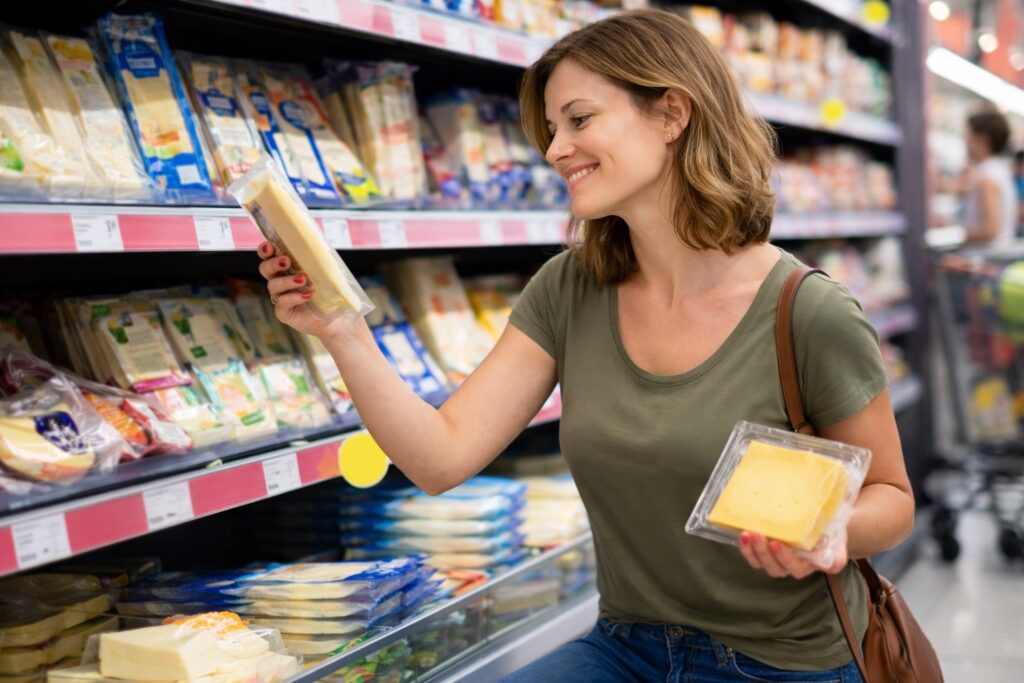
Advantages of good packaging
Good packaging provides benefits that go beyond its basic function and becomes a strategic tool within the product lifecycle. Its advantages include:
Strengthening brand identity
Packaging helps convey the brand’s values, positioning, and personality, creating visual consistency and making it easier for consumers to recognize it.
Shelf differentiation
Creative packaging allows products to stand out in crowded environments, sparking curiosity and generating stronger recall compared to similar products.
Building trust
Well-crafted, high-quality packaging conveys professionalism and quality, positively influencing the perception of the product even before it is used.
Sustainability and responsibility
The use of recyclable materials or eco-friendly solutions enhances the brand’s responsible image and connects with increasingly environmentally conscious consumers.
Importance of the product and the consumer
Packaging is a key element in the relationship between brand and user, as it influences how the product is perceived, used, and remembered. Its importance goes beyond the packaging itself, extending to everything it contributes during the purchase and usage experience.
For the product, its relevance is reflected in that it:
- Facilitates organization and stock control at points of sale and warehouses.
- Allows grouping of formats or units to adapt to different distribution channels.
- Helps maintain product consistency within the overall brand strategy.
From the consumer’s perspective, packaging stands out because it:
- Makes it easier to recognize and identify the product, whether on a shelf or in an online store.
- Provides convenience when transporting the product from purchase to use.
- Enhances brand recall thanks to a recognizable presentation.
Overall, packaging serves as an integral element that accompanies the product throughout its entire journey and contributes to the overall consumer experience.
Types of packaging
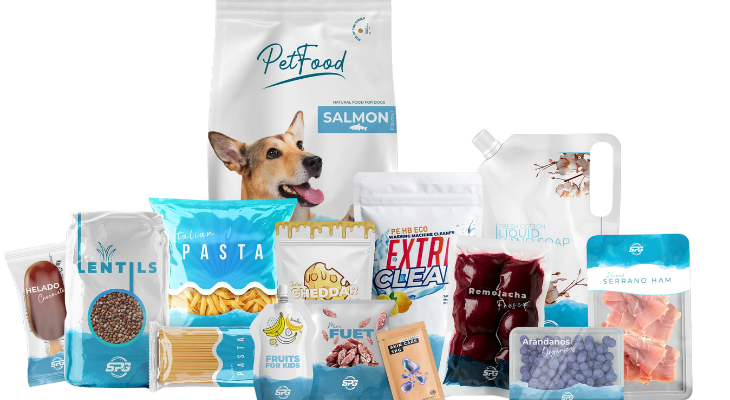
When we talk about packaging, there isn’t just one format. In fact, there are several types, each designed to serve different functions throughout the product’s journey—from manufacturing to final delivery to the consumer.
Primary packaging
This type of packaging is in direct contact with the product and is the one the consumer interacts with on a daily basis.
It can come in formats such as doypacks, spouted pouches, zipper bags, bottles, jars, or sachets, designed to ensure preservation, protection, and an optimal user experience.
Secondary packaging
Its purpose is to group, protect, and streamline the handling of several primary packages.
It can take the form of boxes or cartons, as well as plastic films that group primary packages together, which helps to optimize logistics, transport, and presentation at the point of sale.
Tertiary packaging
This type of packaging is designed for large-scale transport and distribution. Elements such as pallets, large boxes, and protective film help ensure goods are moved in a more organized and secure manner.
Packaging by material
Another way to categorize packaging is by the materials it’s made from—such as cardboard, glass, plastic, metal, or biodegradable options—each with its own properties and uses.
Differences between packing and packaging
It’s common to confuse these two terms because they sound very similar, but the difference is simple if we think about when each one comes into play in the product journey.
Packaging: what the customer sees
It refers to the packaging in which the product is presented in-store or at home. It’s the bottle, box, or wrapping that is part of the product and that the consumer associates with the brand.
Packing: what happens before shipping
It refers to the action of preparing the product for transport. It includes placing it in shipping boxes, adding padding, or organizing multiple items within the same package.
An easy way to remember it:
- Packaging = product presentation
- Packing = preparation for transport
Why are both necessary? The first influences how we perceive the product, while the second ensures it reaches its destination correctly. Together, they form part of the complete process.
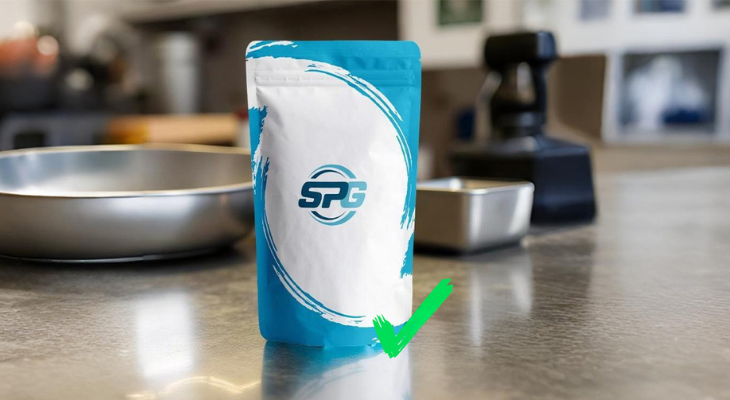
SPG, innovation in packaging solutions
In the world of packaging, having a specialized partner makes all the difference. At SPG, we are a benchmark in flexible and sustainable packaging solutions, helping companies develop product packaging that combines protection, innovation, and environmental responsibility.
Our expertise in materials, design, and technology enables us to develop packaging solutions tailored to the specific needs of each sector. If you’re looking to improve both the functionality and visual appeal of your products, we invite you to explore SPG’s solutions and discover how they can add value to your packaging.
Visit our website or get in touch with us to request more information—we’ll be happy to help.